

complete guide to steak
Whether your preference is a beautifully soft fillet steak, a flavour-packed sirloin or ribeye, or a cheaper steak like a bavette or rump, quick-cooking and your 100% attention is needed when you cook your steak.
You only have a quick few minutes between rare and well-done, so getting your timing right is very important.
We've put together a complete Steak Guide to help you from start to finish.
cuts of beef steak

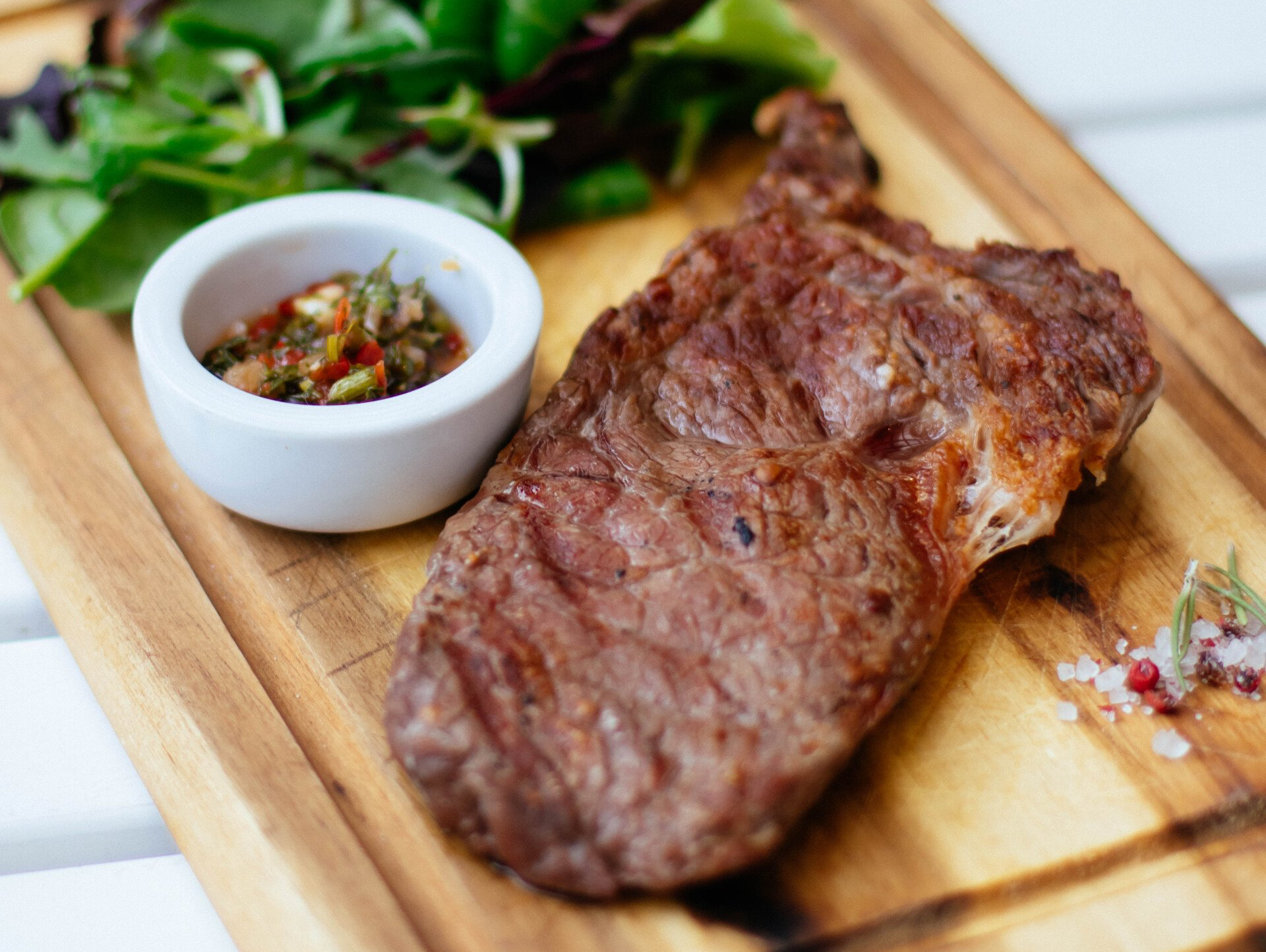
sirloin
Considered to be a prime steak, like fillet, but with more flavour. Best cooked medium-rare.
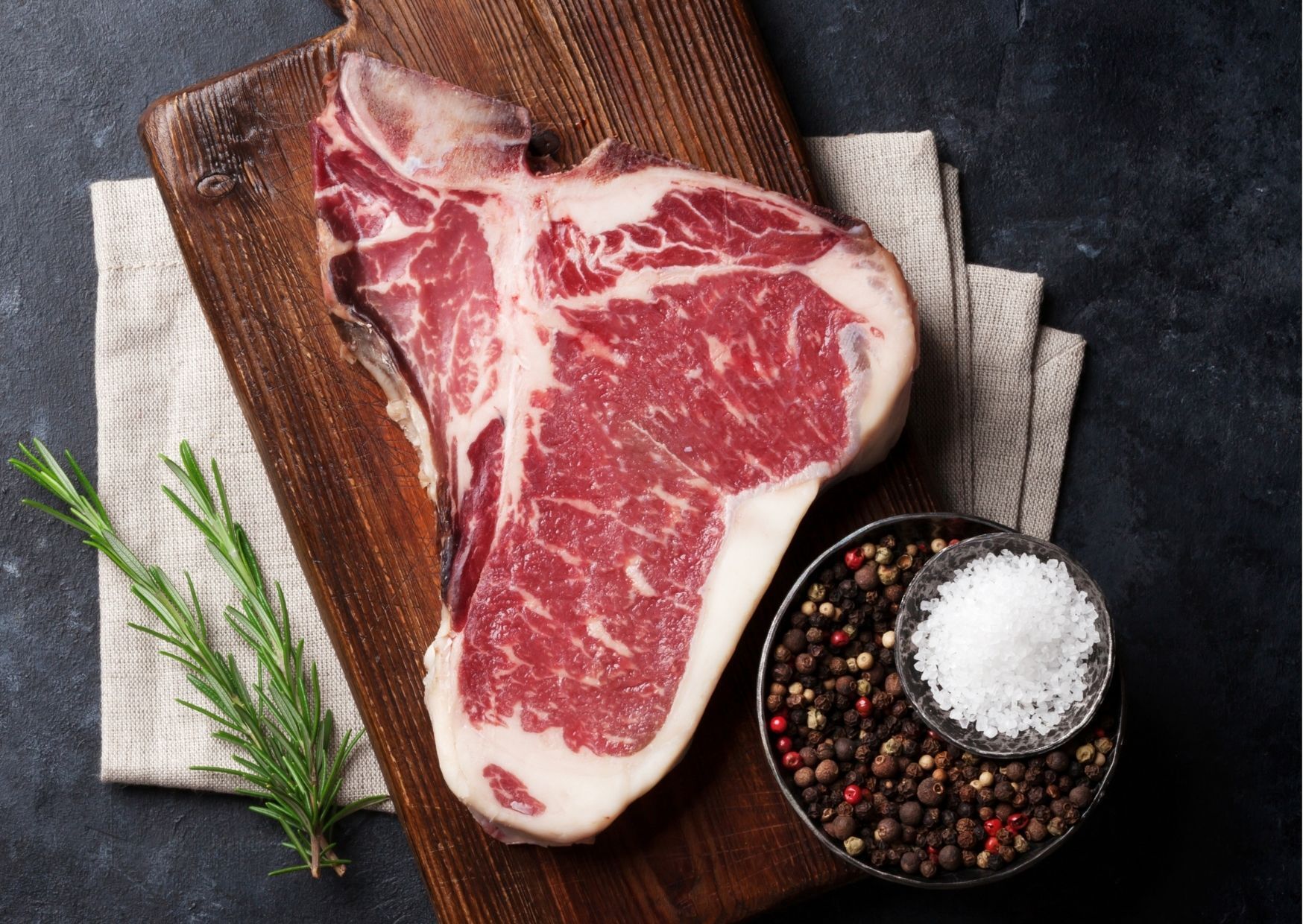
t-bone
It has a bone in, so to make sure everything cooks evenly, it's best finished in the oven.
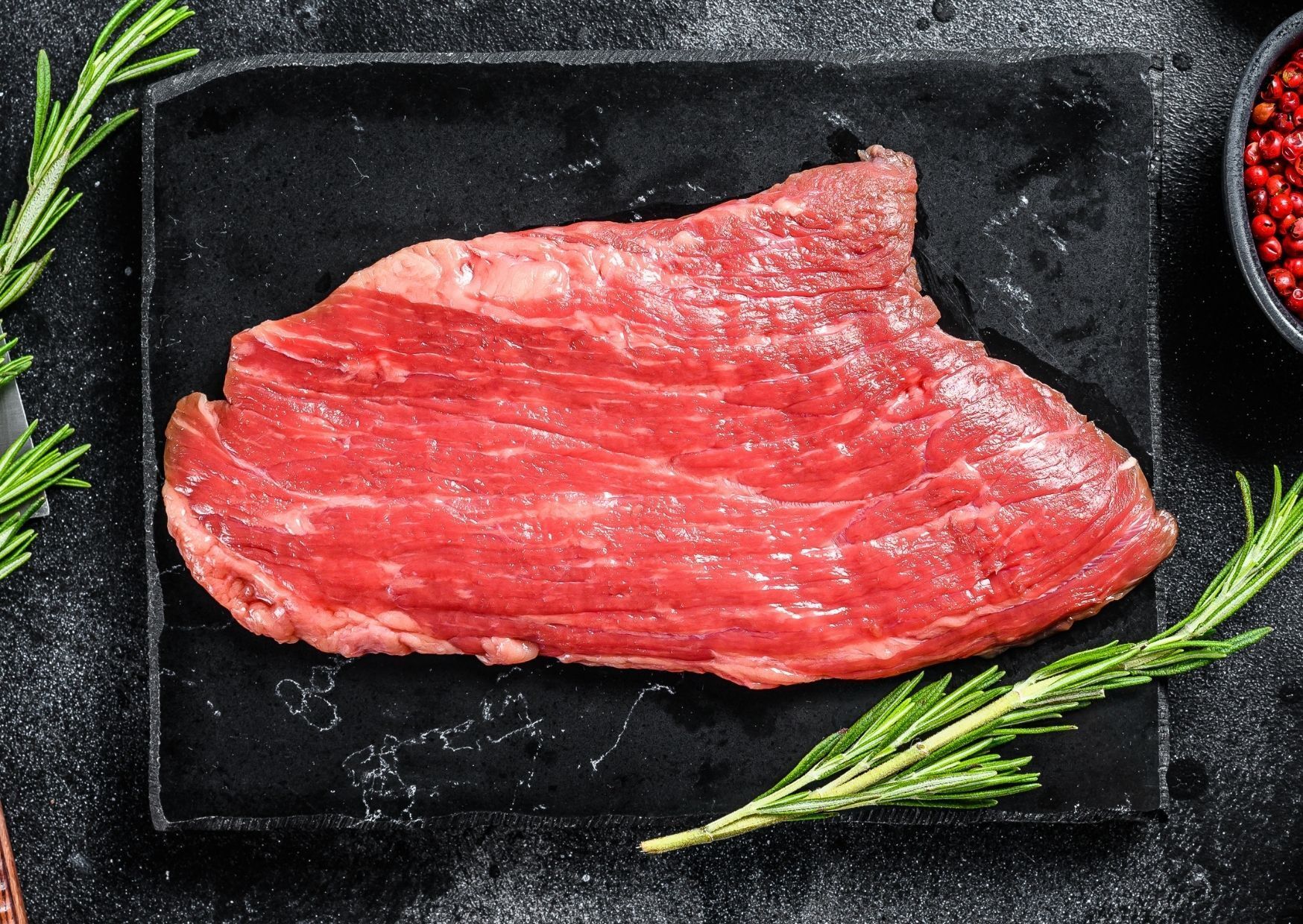
bavette/flank
It's a cheap cut that's best served no more than medium and is great for the BBQ.
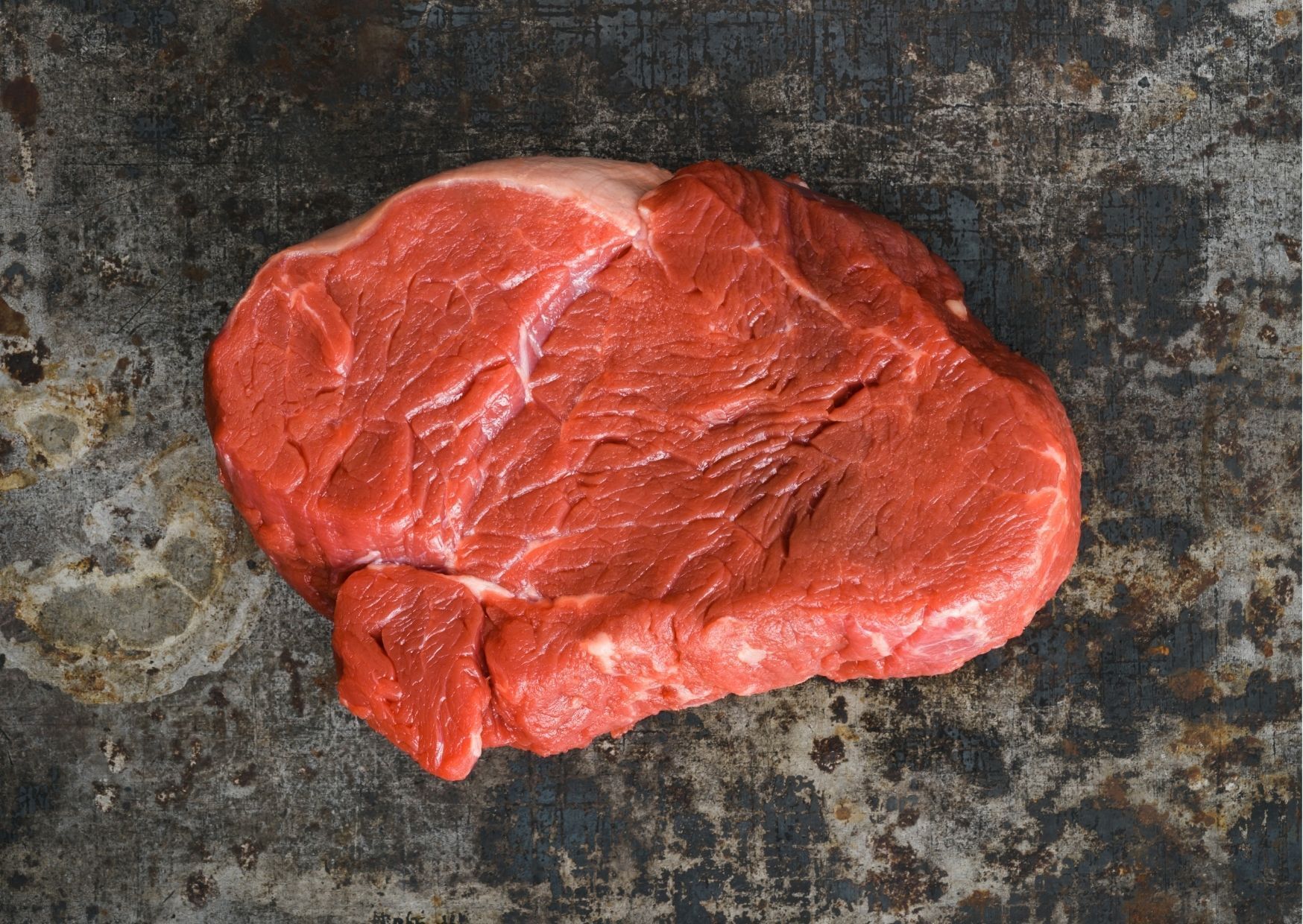
fillet
It's the most tender cut, and it's also the most expensive. It has little fat, so serve it as rare as you like!
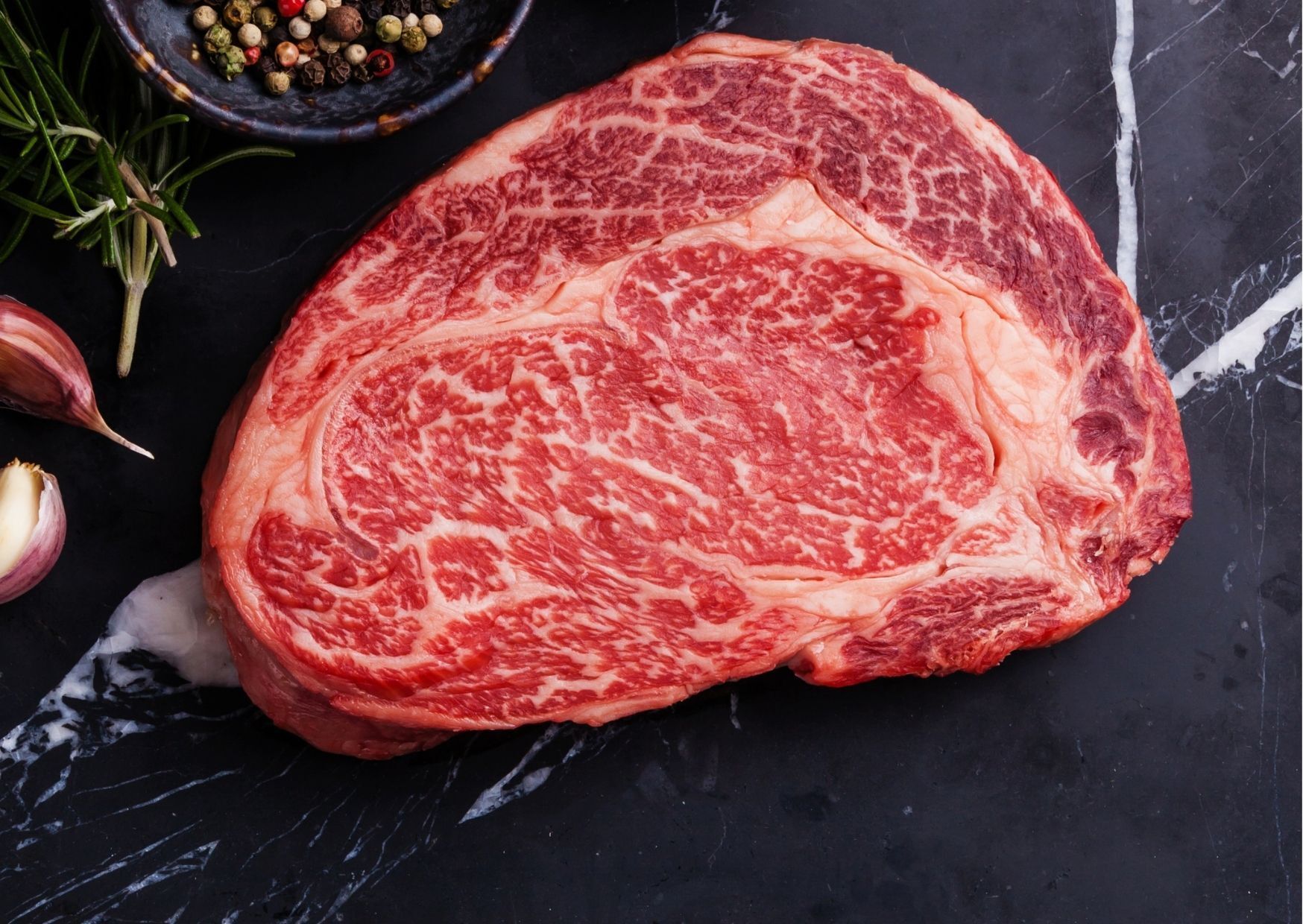
ribeye
A very popular cut. Nicely marbled with fat. Best cooked medium-rare for a melt in the mouth flavoursome steak.
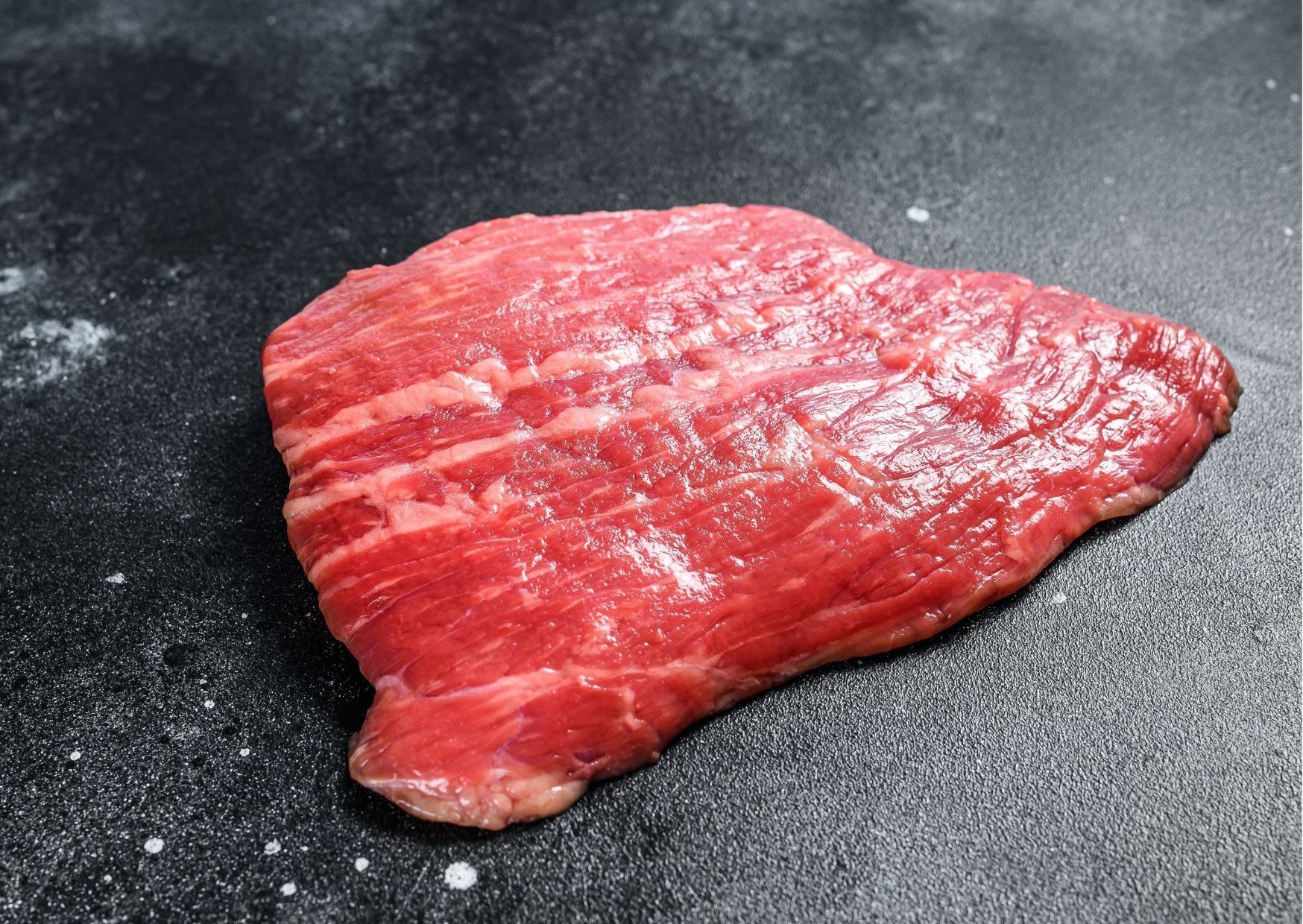
flat-iron
This steak is from the shoulder-blade, and is great value, but don't cook it more than medium or it will be tough.

onglet
Also called hanger steak, it is rope-shaped and has lots of flavour, but will be tough if cooked more than rare.
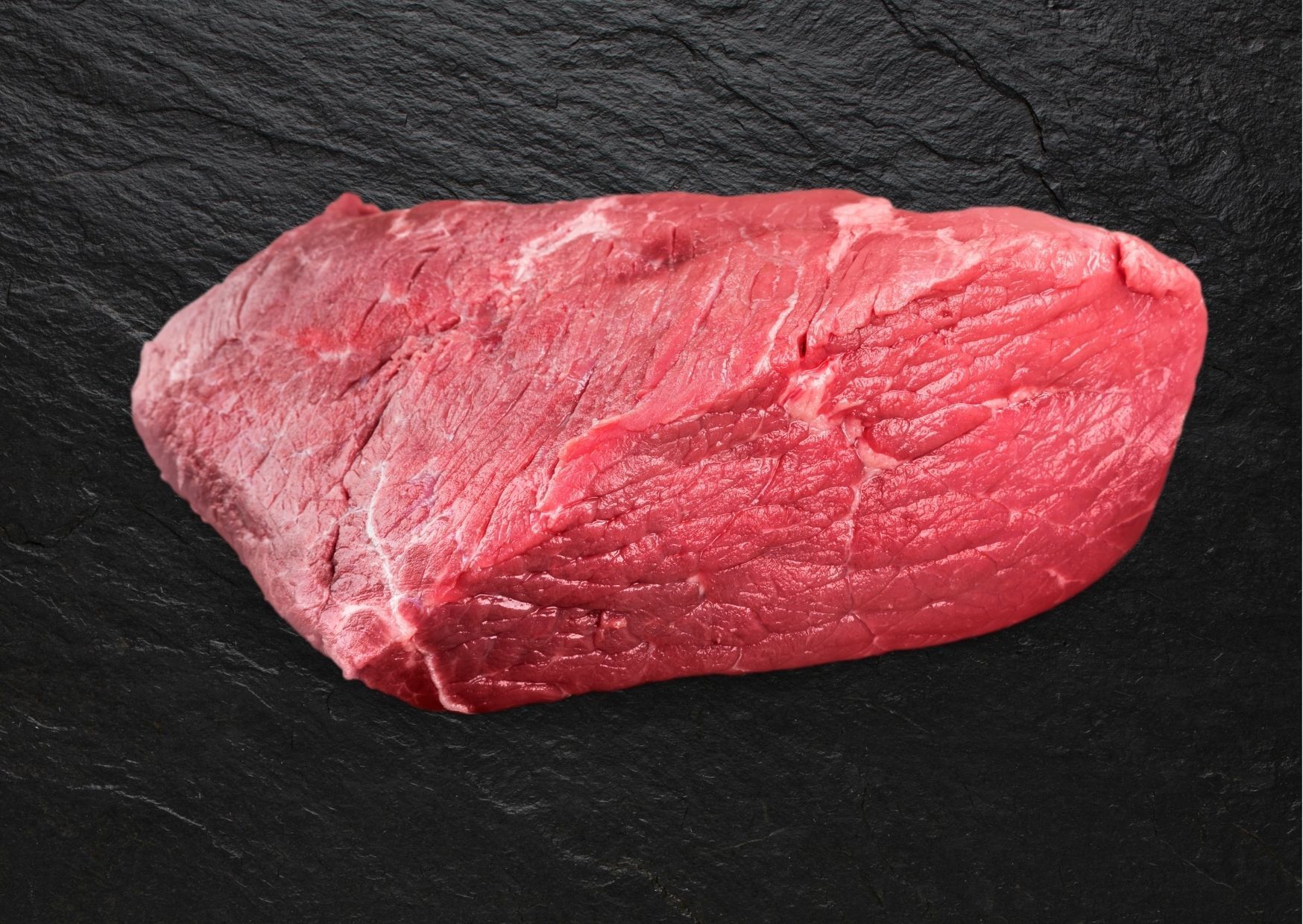
rump
The cheapest prime steak, and it will be tough if cooked more than medium.
the best pan for cooking steak
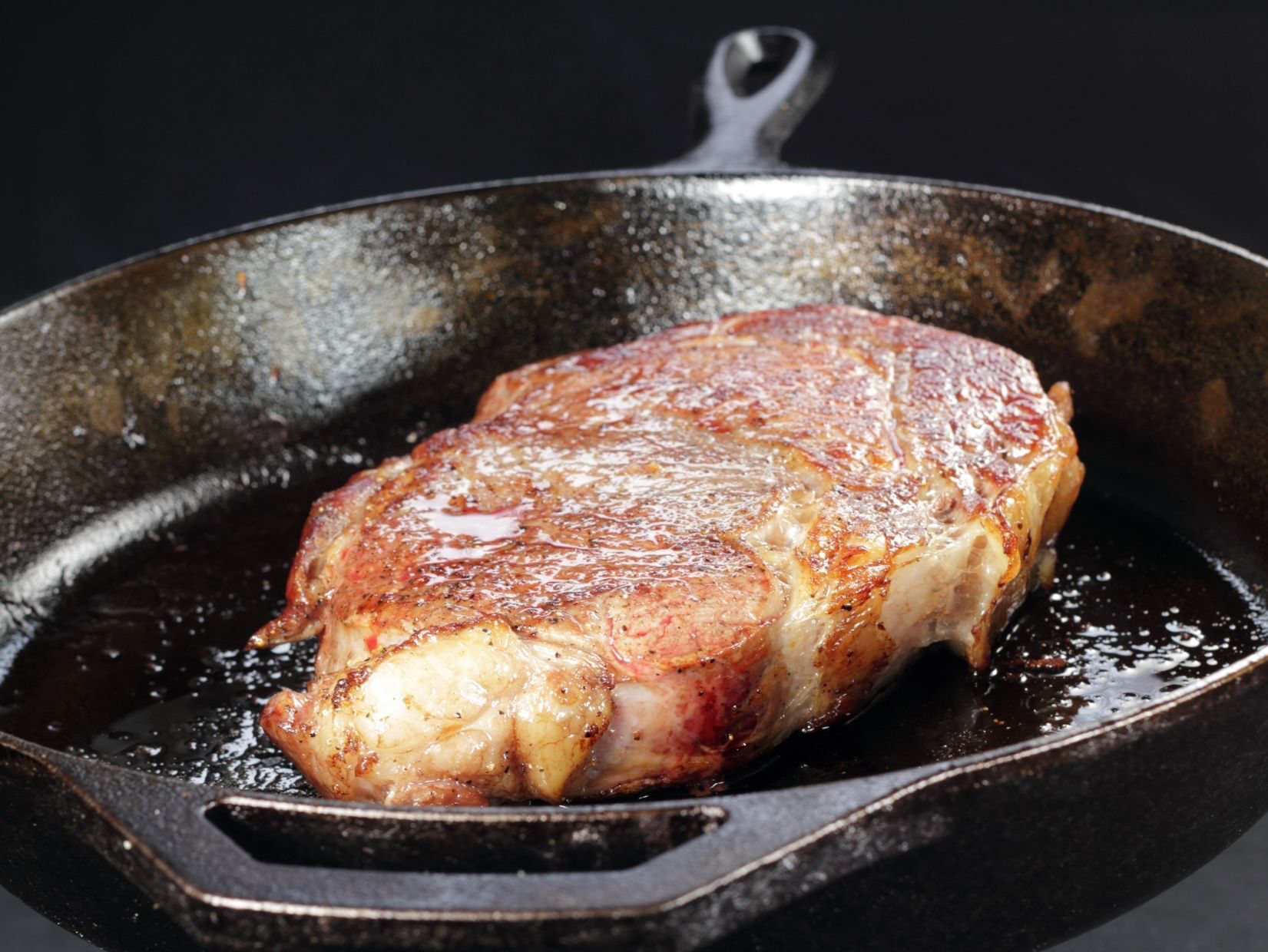
We'd recommend frying your steak, although you can grill it if you would rather do that. A heavy-duty, thick-based frying pan will give you the best results, but the best pan for steak is a cast iron skillet. These pans get really hot and keep their heat, so they are great for getting a charred, smoky flavour. But be careful, the handles get as hot as the pans too! Always use oven gloves to handle it.
Steaks should be cooked in a pan with lots of space – if a pan isn’t big enough for all your steaks, don’t squeeze them in. Cook them one or two at a time.

steak levels of doneness
Use the chart below to check how done your steak is.
Steaks come in many thicknesses and cuts, and so the best way to understand steak is to cook it!

how done is my steak?
Use your clean fingers to prod the cooked steak – when it is rare it will feel soft, when it's medium-rare will be lightly bouncy, and well-done will be a lot firmer and feel tough.
The best way to tell if your steak is cooked is to use a meat thermometer, which goes into the centre of the steak to make sure it's done to your liking.
| Doneness | Temperature |
|---|---|
| Rare | 49–54°C |
| Medium Rare | 54–57°C |
| Medium | 57–63°C |
| Medium Well | 63–68°C |
| Well Done | 68°C and up |
how to cook a steak
1. heat up your pan
Place a heavy-bottomed frying pan or
cast iron skillet over a high heat and add a little oil.
The pan needs to be very hot!

2. season with salt and pepper
Season the steak with salt and pepper just before cooking – don't season it too early though, because adding salt too early it will draw out moisture and it will dry out the meat.

3. add the meat
When the pan is very hot, add the steak to the pan. Don't add too many steaks to the pan, as it won't brown very well! You should hear the oil ‘sizzle’ as you put it in. It needs to sizzle!
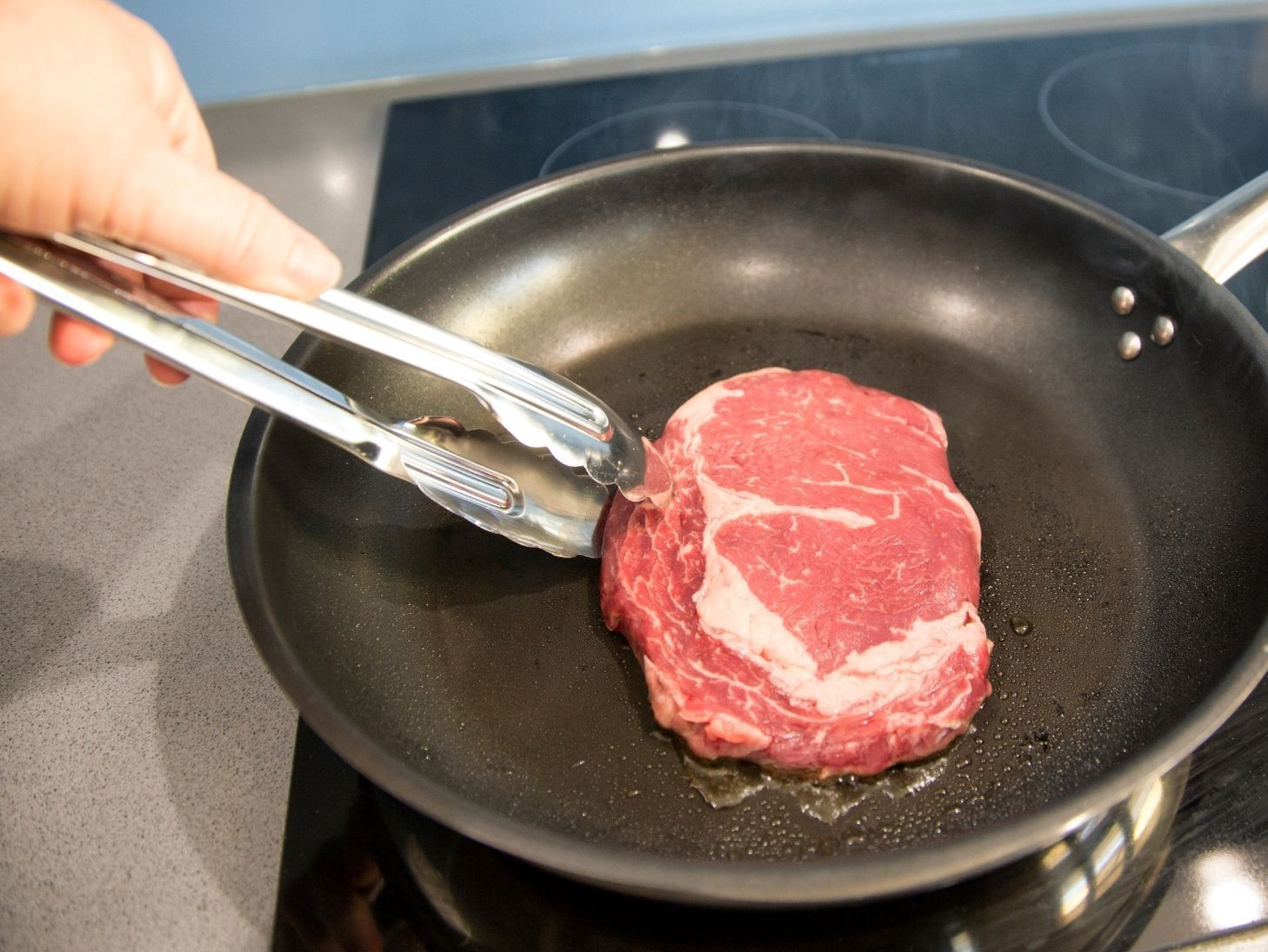
4. carefully brown the meat
Cook the meat for approximately 2–3 minutes on each side, carefully flipping the steak each minute for even cooking, until it is nicely browned all over.
5. add some butter and herbs
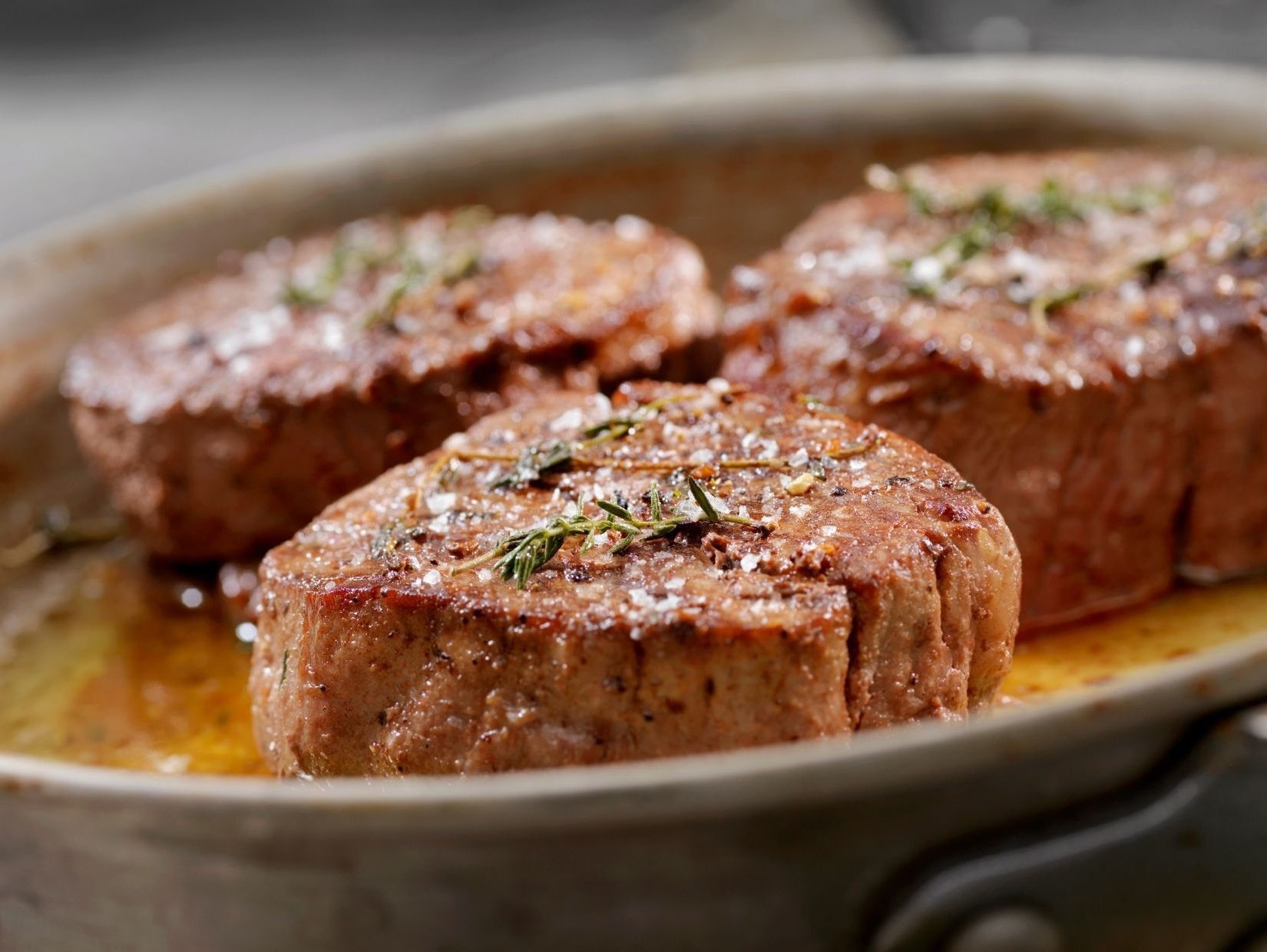
Add a knob of butter, some herbs and even some garlic to the pan. Using a spoon, gently but continually spoon the butter onto the steak for the last 30 seconds.
6. let the steak rest
Take the steak out of the pan, and leave it to rest on a board or warm plate for about 4 - 5 mins. Then serve!